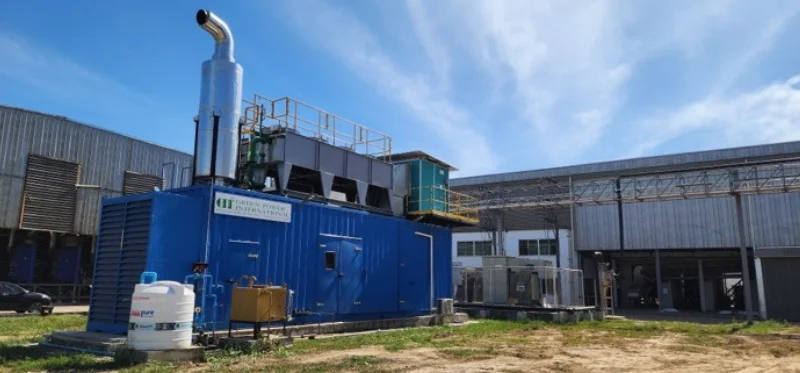
On-Site Energy
Treated biogas can generate power on site; upgraded biomethane can serve heating, power and other compatible gas users. Verify gas quality and loads against equipment requirements.

Biomethane project and market development, covering feedstock sourcing, pretreatment, anaerobic digestion, biogas upgrading, product use and delivery.
A focus on oil palm residues, with pathways selected for feedstock characteristics and gas demand.
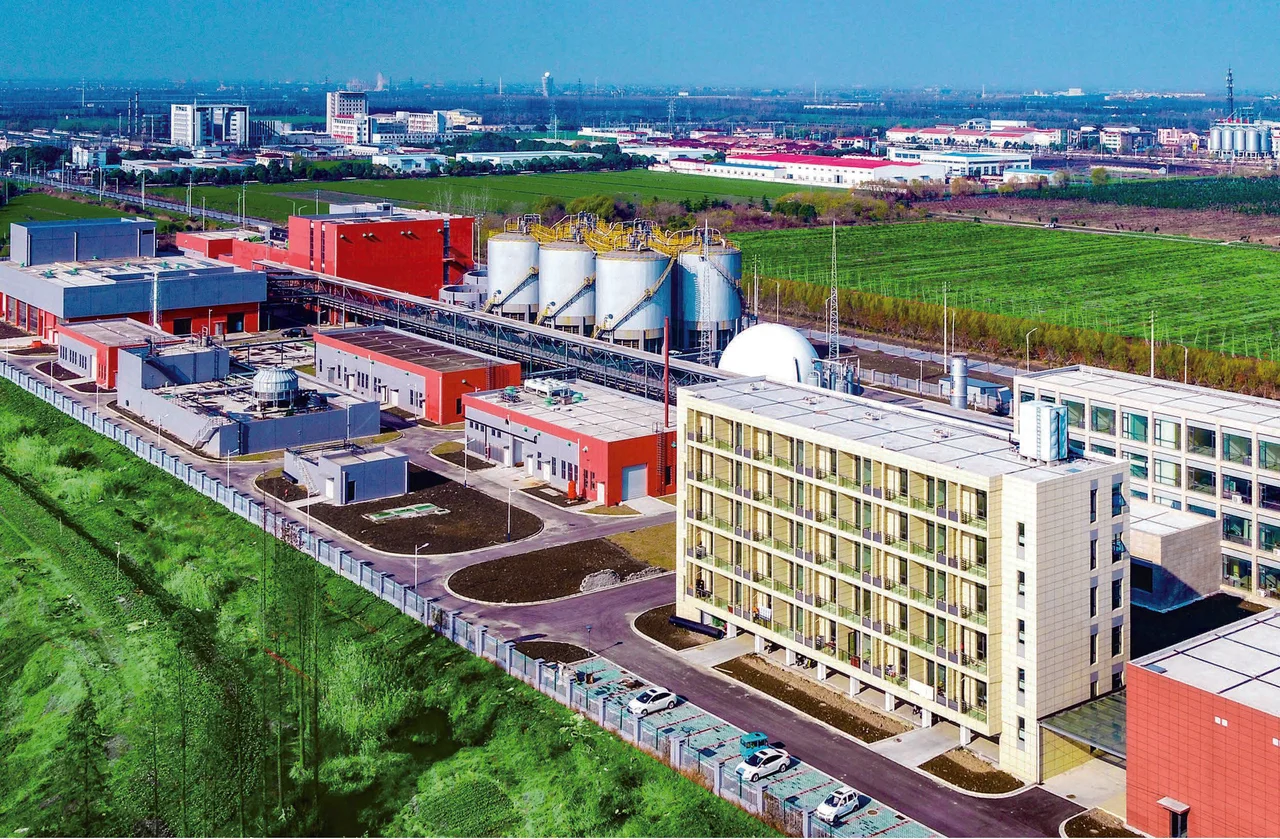
Shredded oil palm empty fruit bunches (EFB) undergo dry anaerobic digestion (AD). Biogas is cleaned and upgraded to biomethane for on-site use or external supply.

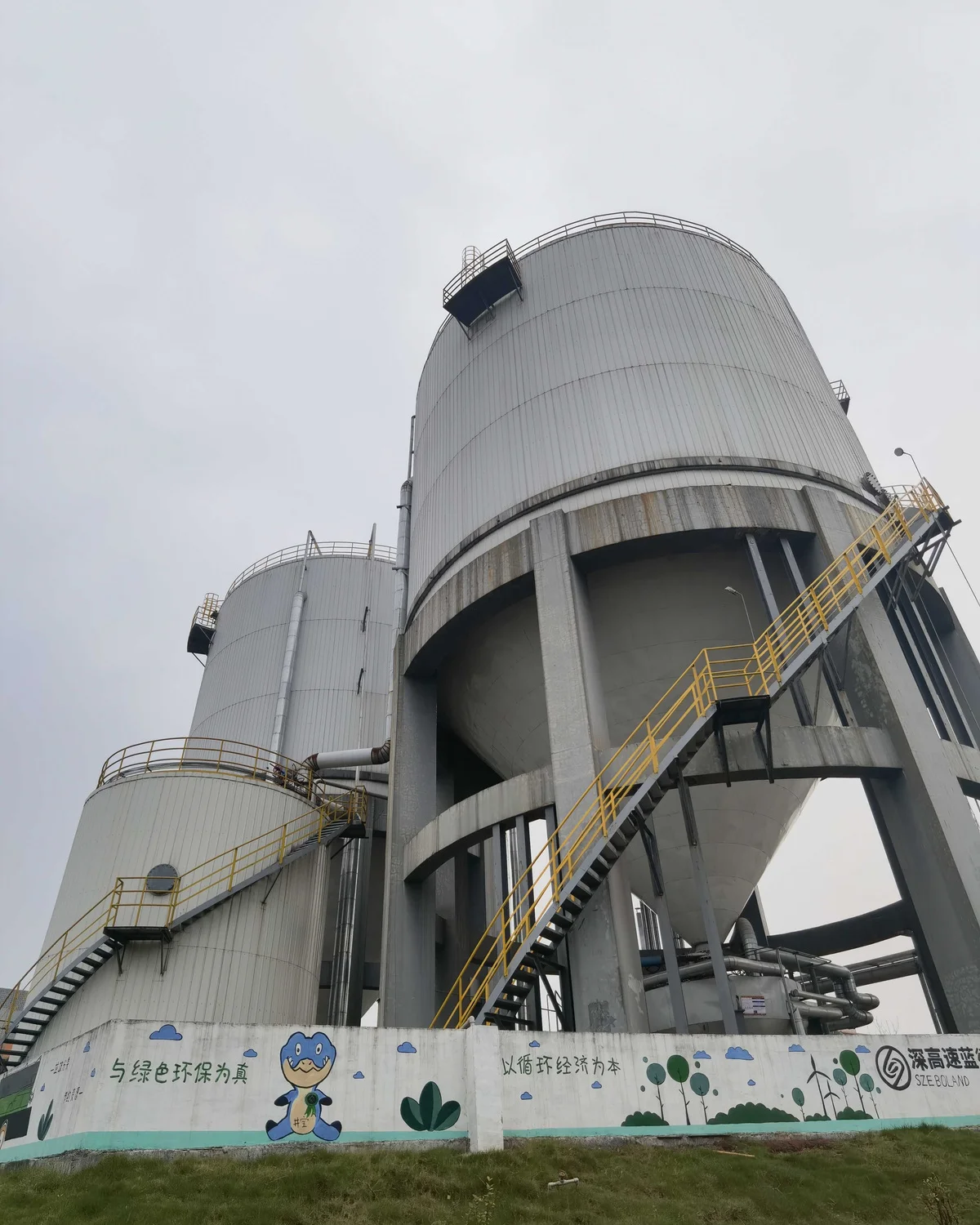
Match EFB collection, supply and transport to plant feedstock demand.
Shred and pretreat feedstock to suit downstream conversion.
Convert feedstock to biogas through dry AD.
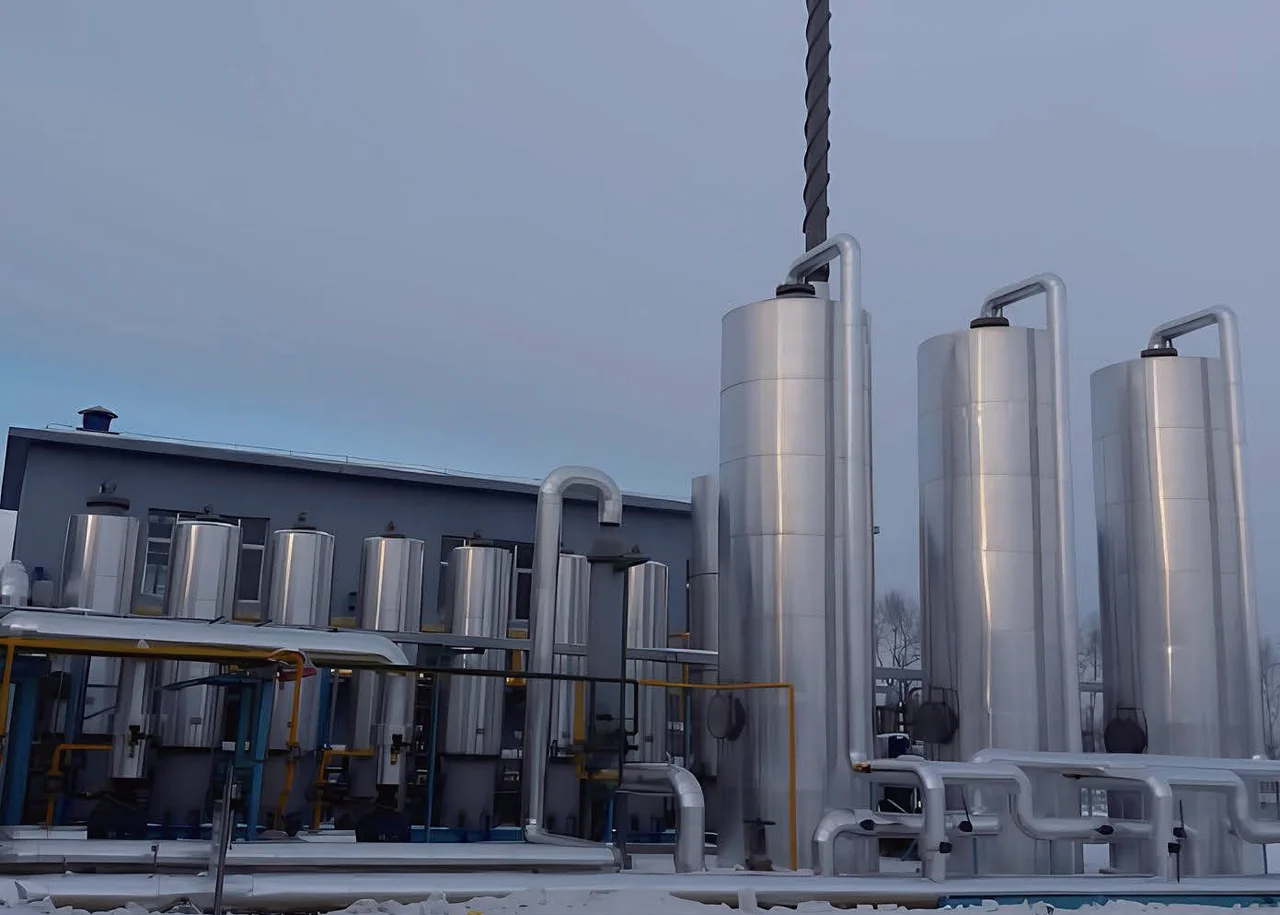
Remove impurities and enrich methane to meet end-use gas specifications.
Options include on-site use, compressed or liquefied gas logistics, and grid delivery where feasible.
EFB Pretreatment & Dry AD Technology: BioLAND
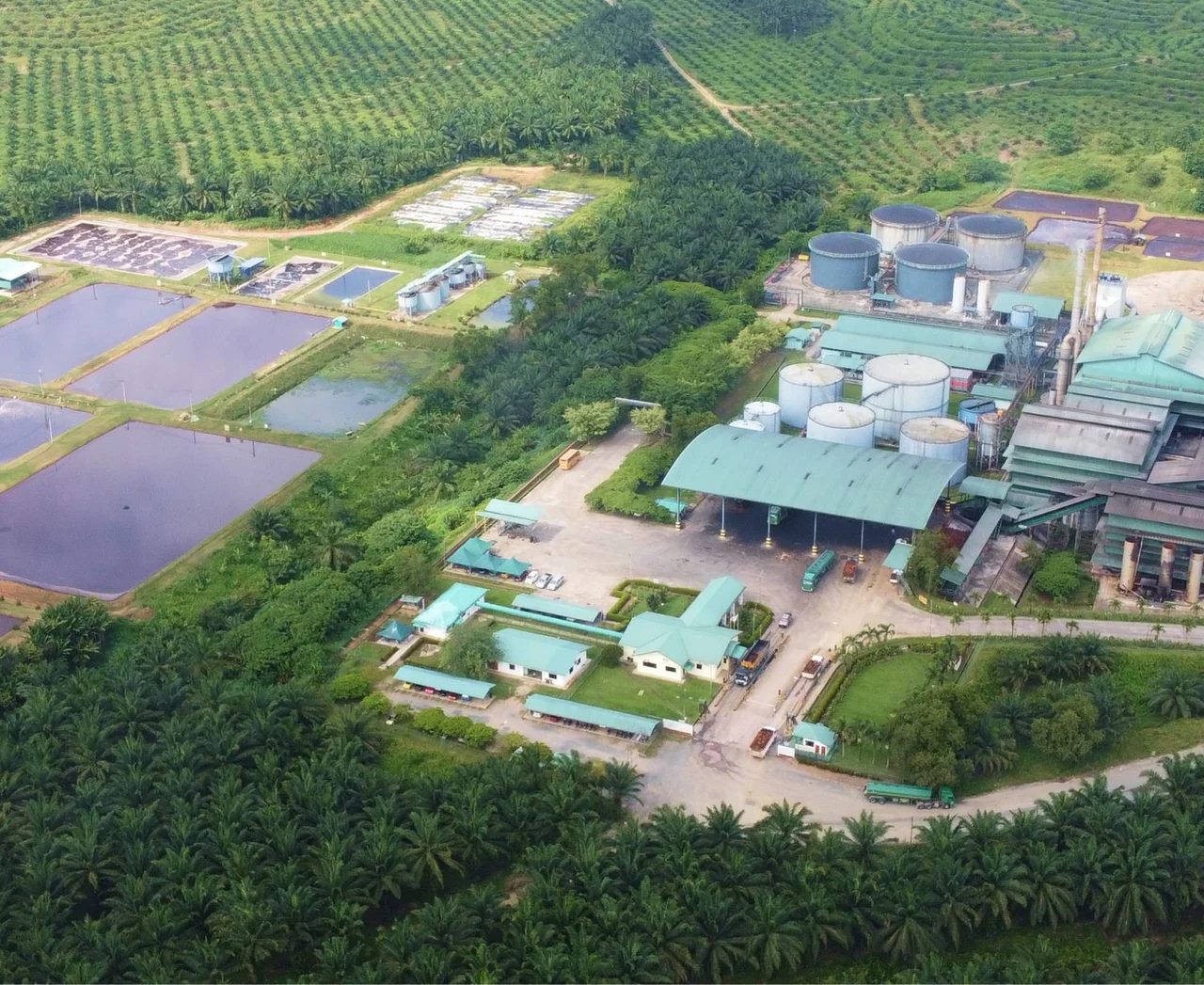
Feedstock availability, plant configuration and offtake shape each project. We coordinate feedstock aggregation, technical solutions, product sales and investment partnerships.
Mill feedstock output and steam and power demand inform collection, centralized processing and on-site energy options.
Use and delivery options depend on local energy needs, markets, gas quality, scale, distance and user conditions.
Treated biogas can generate power on site; upgraded biomethane can serve heating, power and other compatible gas users. Verify gas quality and loads against equipment requirements.
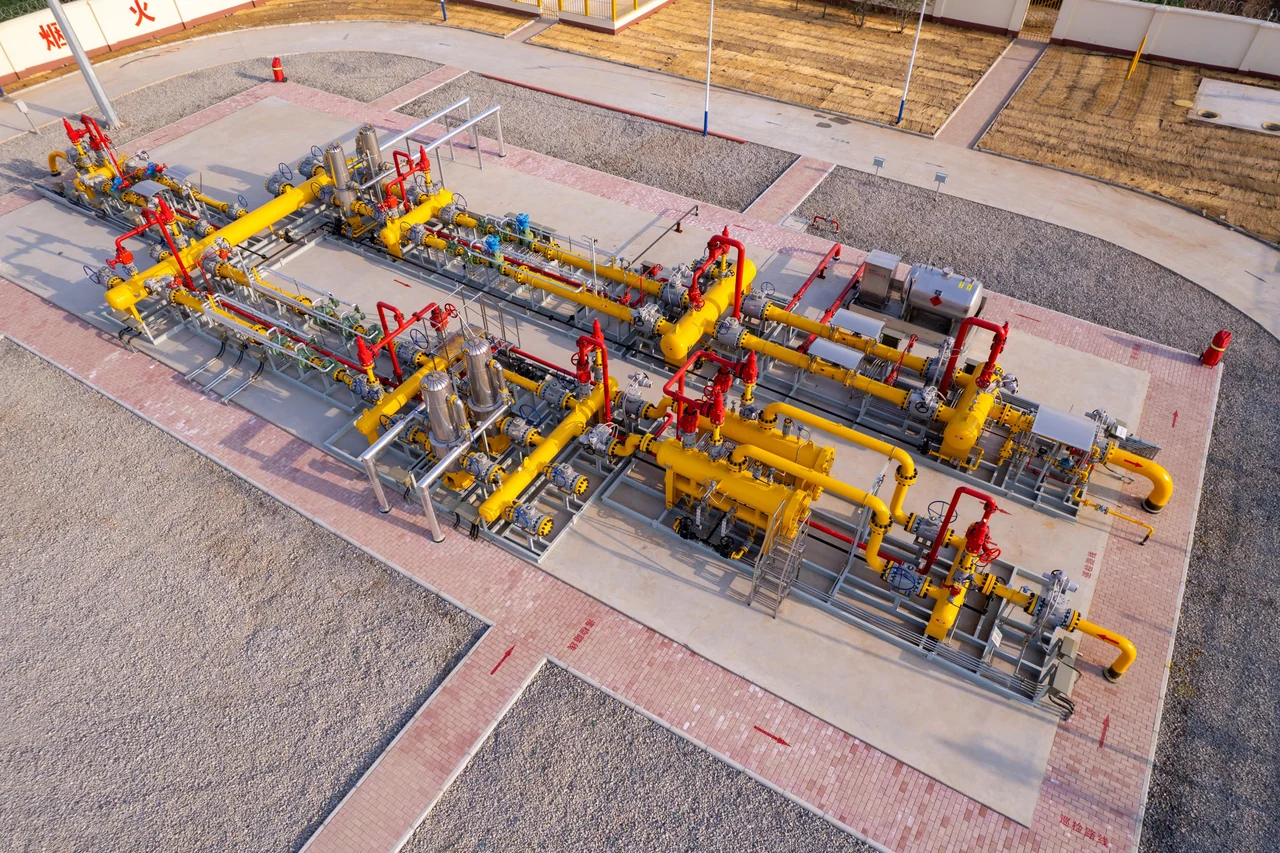
User locations, network conditions and receiving facilities guide metering, pipeline connection or compressed gas storage and transport.
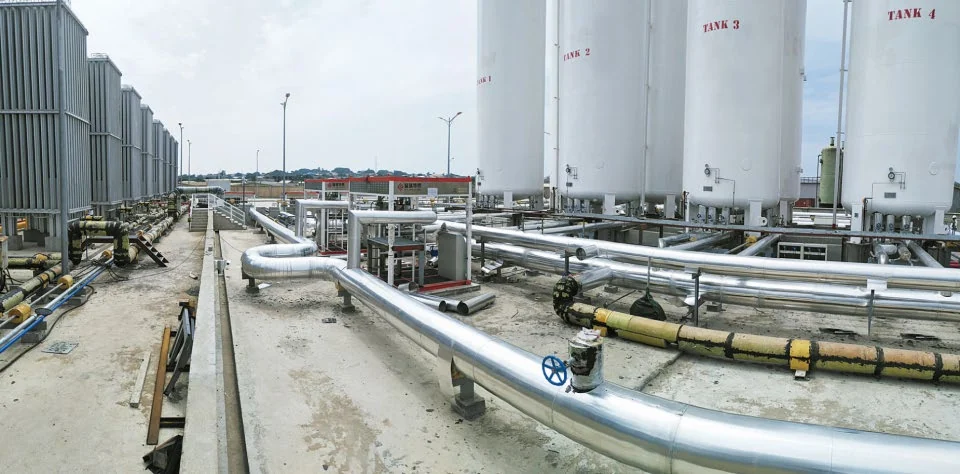
Liquefaction feasibility depends on markets, gas quality, scale and delivery distance. LNG logistics configurations inform cryogenic storage and receiving plans.
Feedstock supply planning reflects project scale, EFB and other feedstock availability, transport and supply continuity.
Pretreatment, AD, cleaning and upgrading are configured for feedstock properties, site constraints and operating conditions.
Gas quality, logistics and demand guide product sales, delivery, commercial agreements and investment partnerships.